
20 Gauge
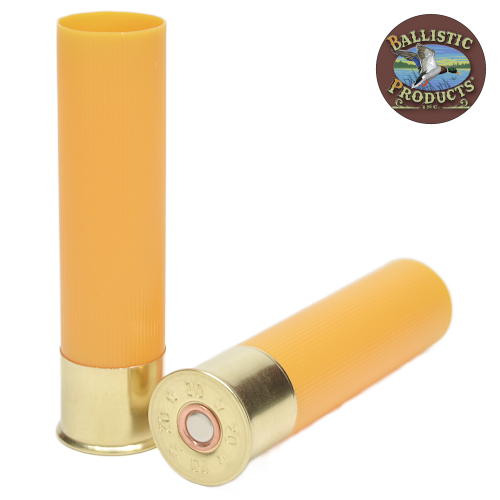
Gauge: Gauge denotes the number of lead balls of bore diameter that equal one pound; 20 gauge corresponds to a nominal bore diameter of about 0.615 in.
Length: Common shell lengths include 2¾ in (70 mm) and 3 in (76 mm).
Shot Sizes: Payload types include birdshot (small pellets for birds and small game), buckshot (larger pellets for defensive use and some hunting), and slugs (single projectile for larger game).
Applications: Common uses include upland bird hunting (e.g., pheasant, grouse, quail), sport shooting (trap/skeet/sporting clays) and general small-game hunting. Compared with 12 gauge, 20 gauge generally offers lighter firearms and reduced recoil, at the cost of lower maximum payload and often slightly reduced pattern density at longer ranges.
question_answer Join Discussion (0 comments) add remove
Welcome to our cartridge knowledge base, featuring expert insights from M. L. (Mic) McPherson on a wide range of cartridges. Whether you're new or experienced, discover practical tips and share your field experiences to enrich our community. Please no disparaging remarks on other writers and no powder load data. Help shape a valuable resource for all enthusiasts. If you find anything factually incorrect, we want to hear about it! If you have any interesting comments or reloading tricks that you would like to share on this cartridge, share them here!
Please Log in to post a comment.| Presses |
|---|
| Load-All Press |
| 90012 (20G LOAD-ALL II) |